-
 The state released data from emergency department visits from 2019 to 2024 and urges Alaskans to wear protective gear when riding.
 -
 The class-action lawsuit alleged children in state custody are at risk due to systemic foster care problems. Judge Sharon Gleason dismissed the lawsuit in March.
 -
 April is Sexual Assault Awareness Month and on this Line One hear from two organizations that have been working for decades in Alaska to provide support and resources to the women, men and children affected by sexual and domestic violence.
 -
 A coalition of providers in Alaska is prioritizing preventative and whole-person care while federal funding for the state incentivizes more programs like it.
 -
 The United States Department of Justice issued a report in December 2022 that found that Alaskan youth are institutionalized in psychiatric hospitals and psychiatric residential treatment facilities at higher rates and for longer periods than minors in other states.
 -
 Endometriosis is a complex condition that often requires specialized care that’s not always easy to access.
 -
 Identity Alaska’s Anchorage clinic will end patient care this month. They’re closing their doors because of financial and logistical pressures.
 -
 Officials say the policy reduces barriers to housing and helps people maintain stability and dignity during tough times.
 -
 Earlier this week, a USDA spokesperson applauded the drop in SNAP participation, noting the program’s rolls had fallen below 40 million for the first time since the pandemic.
 -
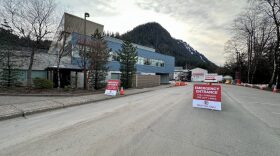 Bartlett Regional Hospital has temporarily moved its emergency room entrance in preparation for the $13.5 million project.
 -
 Juneau stopped treating septic waste from Gustavus last March over contamination concerns. More than a year later, both cities are trying to figure out their options.
 -
 Learn more about Anchorage’s Integrated Health Program and how to support people during a crisis.

Alaska Public Media © 2026. All rights reserved.
Play Live Radio
Next Up:
0:00
0:00
Available On Air Stations


