
Yereth Rosen
-
 The Alaska Wildlife Alliance wants to prevent the Department of Fish and Game from resuming a predator control program planned to start this month.
 -
 A University of Alaska Fairbanks study focusing on the Deshka River found that the predators have become even more voracious as the climate has warmed.
 -
 The lower numbers — the catch is predicted to drop by more than a third — are driven by off year for pink salmon
 -
 Alaska Democrat Mary Peltola announced that her campaign raised $8.9 million in the first quarter of the year, a record for any U.S. Senate campaign in Alaska.
 -
 The motion stems from a lawsuit filed by the groups in November after the Alaska Board of Game reauthorized a Mulchatna predator control program that had previously been overturned by state court rulings.
 -
 Mining, long a part of state history, is now a $4 billion-a-year industry in Alaska, with export value rivaling that of seafood, a state analysis shows.
 -
 The ban, imposed after the 2022 invasion of Ukraine, is set to expire this year. A resolution is one of the measures intended to help the state’s seafood industry.
 -
 Vibrio parahaemolyticus, a bacteria that commonly causes gastrointestinal illness, was previously no problem for Alaska seafood eaters. Now cases happen every year and the state has a control program.
 -
 Permit applications have increased and research and investment is ongoing, with goals of diversifying the industry and benefitting coastal communities.
 -
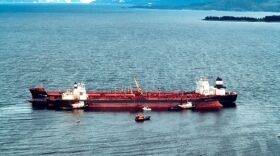 Remnants of spilled Exxon Valdez oil have persisted on beaches for decades, but much of what is left no longer poses problems, justifying a change in pollution classification, regulators say.


